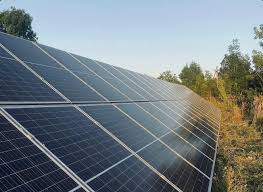
A practical guide to hybrid solar power systems for schools, hospitals, government facilities, offices and other institutional buildings in Nigeria.
Reliable electricity is essential for the day-to-day operation of institutional facilities. Schools need power for computers, laboratories, lighting and administrative systems. Hospitals depend on electricity for medical equipment, refrigeration, communication and patient-care services. Government offices require reliable power for computers, networks, security systems and other critical infrastructure.
For many institutions in Nigeria, depending entirely on the public electricity supply may not provide the level of reliability required for these operations. Diesel generators can provide backup, but fuel costs, maintenance requirements, noise and emissions can make continuous generator dependence expensive.
This is where hybrid solar systems can provide an alternative approach.
A properly designed hybrid solar system combines solar panels, batteries, an inverter and one or more additional power sources, such as the public electricity grid or a generator. The system intelligently manages available energy sources to provide more reliable power while reducing dependence on conventional electricity and fuel.
What Is a Hybrid Solar System?
A hybrid solar system is a solar power system that combines solar energy and battery storage with another electricity source.
A typical institutional hybrid system may include:
Solar photovoltaic (PV) panels
Hybrid solar inverter
Battery energy storage system
Public electricity supply
Diesel or petrol generator
Distribution and protection equipment
Monitoring and control systems
The solar panels generate electricity during daylight hours. Depending on the system configuration and current demand, that energy can be used to power the facility, charge the batteries or both.
When solar generation is insufficient, the system can draw energy from the batteries or another available power source.
This creates a flexible power arrangement rather than relying on a single source of electricity.
How Does a Hybrid Solar System Work?
The exact operation depends on the system design, but a simplified arrangement looks like this:
Solar Panels → Hybrid Inverter → Building Loads
and:
Solar Panels → Battery Storage
with additional sources such as:
Grid / Generator → Hybrid Inverter → Building Loads
During the day, solar energy can supply part or all of the facility's electricity requirements depending on the available solar generation and the building's load.
Excess available solar energy can be directed toward battery charging.
When solar production falls, stored battery energy can help supply the facility.
If the batteries reach a defined operating limit or the electrical demand exceeds available solar and battery capacity, the system can switch to the grid or generator according to the configured operating strategy.
The objective is to create a coordinated energy system that uses available sources efficiently.
Why Are Hybrid Solar Systems Important for Institutional Facilities?
Institutional facilities often have a mixture of electrical loads with different levels of importance.
For example, a school may have:
Classrooms
Administrative offices
Computer laboratories
Security systems
Outdoor lighting
Network equipment
Water pumps
A hospital may have substantially more critical loads, including:
Medical equipment
Lighting
Refrigeration
Laboratory equipment
IT systems
Communication systems
Security infrastructure
A government facility may require reliable power for:
Computers
Servers
Networking equipment
CCTV
Access control
Office equipment
Lighting
Communication systems
A hybrid solar system can be designed around the facility's actual electrical requirements rather than treating every electrical load in exactly the same way.
1. Reduced Dependence on Fuel Generators
Generators remain an important backup source for many facilities, but operating them continuously can result in significant fuel and maintenance expenses.
A hybrid solar system can allow solar energy and batteries to handle a portion of the facility's electricity requirements.
This can reduce generator runtime depending on:
Solar capacity
Battery capacity
Facility load
Weather conditions
Energy consumption patterns
Generator configuration
System operating strategy
The actual savings will vary from one facility to another and should be established through a proper energy assessment.
2. Battery Backup for Critical Loads
One of the important features of a hybrid solar system is battery energy storage.
During periods when the grid is unavailable, the battery system can supply designated loads.
This can be particularly useful for equipment that should not experience unnecessary interruptions.
For example, an institution may prioritize:
Critical Loads
Network equipment
CCTV
Access control
Security lighting
Servers
Communication systems
while treating other equipment as lower-priority loads.
Proper load classification allows the system designer to determine which equipment should receive backup power and for how long.
3. Solar Power During the Day
Solar PV systems generate electricity from sunlight during daylight hours.
For institutions that operate primarily during the day, such as schools and administrative offices, solar generation can potentially offset part of their daytime electricity demand.
The amount of energy produced depends on factors including:
Solar panel capacity
Location
Weather
Panel orientation
Shading
System efficiency
Maintenance
Electrical load
This is why simply selecting a number of solar panels without assessing the facility's electricity consumption is not an adequate design approach.
4. Better Power Planning
A hybrid system provides an opportunity to divide facility loads according to priority.
For example:
Essential Loads
These may include:
Security systems
Network infrastructure
Selected lighting
Servers
Communication systems
Important Loads
These may include:
Office equipment
Computers
Selected air-conditioning systems
Printers
Non-Critical Loads
These may include equipment that can be switched off during limited power availability.
This approach allows available energy to be allocated according to operational priorities.
5. Support for Security Infrastructure
Solar energy and CCTV can work particularly well together.
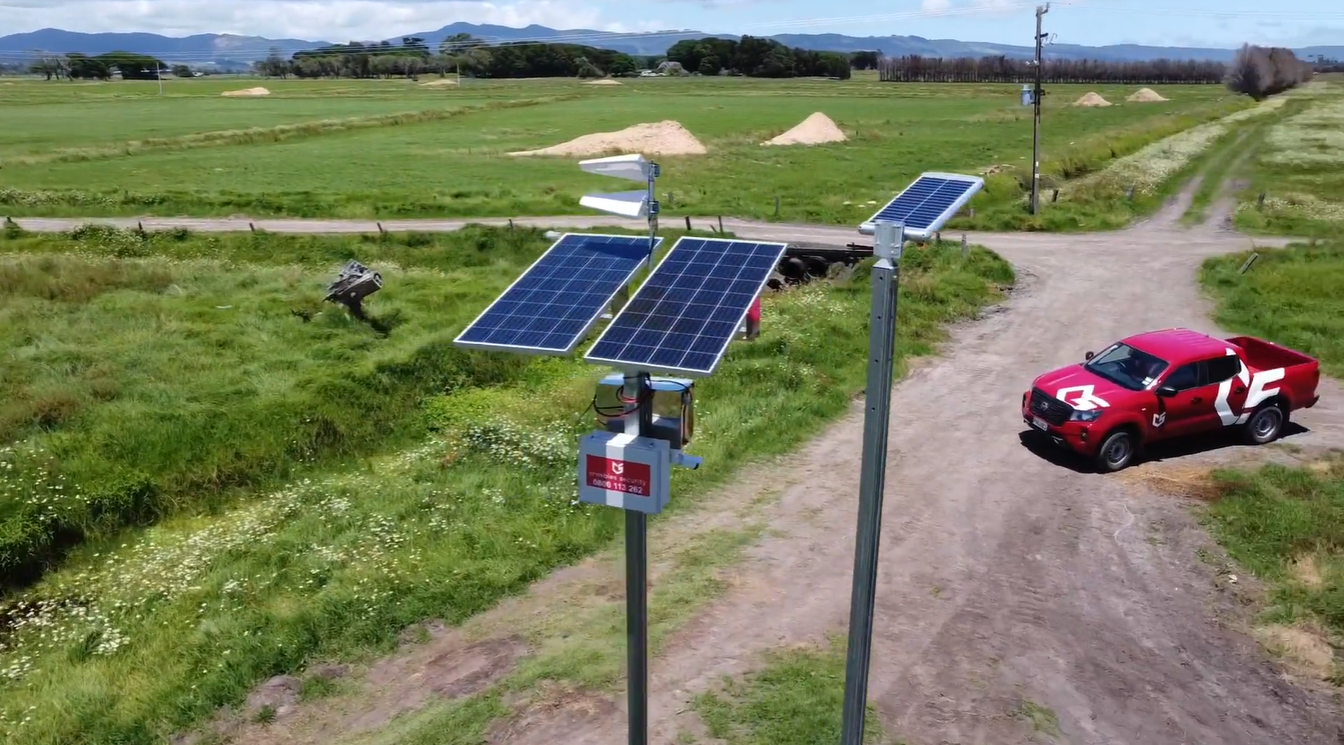
Facilities that require surveillance in areas where extending conventional power infrastructure is difficult can use solar-powered CCTV systems.
A properly designed system can combine:
Solar Panels + Battery Storage + CCTV Cameras + Networking + Recording/Monitoring
This can support surveillance in locations such as:
School perimeters
Government compounds
Construction sites
Warehouses
Remote facilities
Estates
Agricultural facilities
For institutional projects, solar energy therefore does not have to be considered only as a building power solution. It can also support independent security infrastructure.
6. Support for ICT Infrastructure
Modern institutions increasingly depend on digital infrastructure.
A typical facility may have:
Internet equipment
Network switches
Wi-Fi access points
Servers
Computers
CCTV networks
Access control systems
Digital communication systems
Power interruptions can affect these systems and disrupt operations.
A properly configured hybrid system can provide backup power for selected ICT infrastructure, helping organizations maintain important digital services during interruptions.
However, sensitive equipment should also have appropriate electrical protection and backup design, including UPS systems where required.
Designing a Hybrid Solar System for an Institution
A successful hybrid solar project should begin with an assessment rather than equipment selection.
Step 1: Assess the Facility
The first step is to understand the building and its electricity requirements.
This may involve assessing:
Number of buildings
Electrical distribution
Existing power sources
Existing generator capacity
Available roof or ground space
Electrical loads
Operating hours
Critical equipment
A physical site survey is particularly important for institutional projects.
Step 2: Conduct an Energy Assessment
The system designer needs to understand how much electricity the facility consumes.
Relevant information may include:
Daily energy consumption
Peak demand
Daytime consumption
Nighttime consumption
Seasonal variations
Generator usage
Grid availability
Where reliable historical electricity data is available, it can be useful for system planning.
Step 3: Identify Critical Loads
Not every appliance or piece of equipment necessarily needs to be powered by the battery system.
The design should identify which loads require backup.
For example:
Load Priority
CCTV Critical
Network equipment Critical
Security lighting Critical
Server Critical
Office computers Important
Air conditioning Depends on system capacity
Water pumps Depends on system capacity
Heavy machinery Usually separate consideration
The final classification should be based on the institution's operational requirements.
Step 4: Size the Solar Panels
Solar PV capacity should be determined using the facility's energy requirements, available solar resource and system objectives.
Oversizing or undersizing the system can affect project performance and economics.
The design should consider:
Expected energy consumption
Solar resource
Available installation space
Panel efficiency
System losses
Future load growth
Required energy contribution from solar
Step 5: Size the Battery System
Battery capacity is one of the most important considerations in a hybrid solar project.
The required battery capacity depends on:
Critical load
Required backup duration
Depth of discharge
Battery technology
Inverter efficiency
Expected operating conditions
Required reserve capacity
For example, an institution that needs several hours of backup for critical loads will have different battery requirements from a facility that only needs short-duration backup.
Battery sizing should therefore be based on measured or reasonably estimated loads rather than a standard package.
Step 6: Select the Right Inverter
The inverter is responsible for managing the conversion and distribution of electrical energy between the solar panels, batteries and connected loads.
For institutional applications, the inverter selection should consider:
Continuous power rating
Surge capacity
Battery compatibility
Grid integration
Generator integration
Monitoring features
System scalability
Protection features
The inverter should be appropriately matched to the intended loads and overall system architecture.
Step 7: Plan for Future Expansion
Institutional electricity requirements can change.
A school may add more classrooms or computers.
A hospital may install additional medical equipment.
A government office may expand its IT infrastructure.
A well-designed system should therefore consider potential future loads.
Modular solar and battery configurations can make future expansion easier, subject to the limitations of the installed equipment and electrical infrastructure.
Hybrid Solar vs Generator Backup
Hybrid solar systems and generators serve different purposes and can also work together.
Feature Hybrid Solar Generator
Primary energy source Solar + stored energy Fuel
Fuel requirement No fuel for solar generation Requires fuel
Noise Low during normal solar/battery operation Generally significant
Daytime solar generation Yes No
Battery backup Yes Not inherently
Long-duration backup Depends on system capacity Potentially long with fuel
Maintenance Solar, batteries and electrical equipment Engine and mechanical maintenance
Renewable energy Yes No
Best approach Often works with grid/generator Useful as backup
For many institutional applications, the question does not have to be solar or generator.
A properly designed system can use:
Solar + Battery + Grid + Generator
with each source serving an appropriate role.
What Should Institutions Consider Before Installing Solar?
Before investing in a hybrid solar system, decision-makers should consider the following:
1. Actual Electricity Consumption
Understand how much energy the facility uses.
2. Critical Loads
Identify the equipment that must remain operational.
3. Available Installation Space
Assess rooftops, ground areas and other suitable locations for solar panels.
4. Battery Requirements
Determine how long critical equipment needs backup power.
5. Existing Electrical Infrastructure
The new system must integrate safely with the facility's electrical distribution system.
6. Generator Integration
Where a generator already exists, determine how it will interact with the hybrid system.
7. Future Expansion
Consider expected growth in electricity demand.
8. Maintenance
Solar panels, batteries, inverters, electrical protection equipment and associated systems require appropriate maintenance.
9. Safety
Installation should follow applicable electrical, structural and safety requirements and be carried out by qualified professionals.
Maintenance of Institutional Hybrid Solar Systems
Installing a solar system is only part of the project.
Long-term performance requires appropriate maintenance.
Maintenance activities may include:
Solar panel inspection
Cleaning where required
Battery health monitoring
Inverter inspection
Electrical connection checks
Cable inspection
Protection-system checks
Performance monitoring
Fault diagnosis
Preventive maintenance
System documentation
Institutions should also maintain records of system performance and maintenance activities.
Integrating Solar, CCTV and ICT Infrastructure
One of the opportunities for institutions is to design their energy and technology infrastructure together.
For example, a modern facility could combine:
Solar Power
↓
Battery Storage
↓
ICT Infrastructure
↓
CCTV Surveillance
↓
Access Control
↓
Network & Monitoring
This integrated approach can help institutions plan their infrastructure more systematically.
A solar system can provide energy for selected ICT and security infrastructure, while networking can provide connectivity between surveillance devices and centralized monitoring systems.
Why Professional System Design Matters
A hybrid solar system is not simply a collection of solar panels, batteries and an inverter.
The system must be designed around the facility.
Poor system design can result in:
Insufficient backup duration
Battery degradation
Inverter overload
Poor solar generation
Unnecessary costs
Electrical safety issues
Poor integration with existing infrastructure
A professional assessment should therefore consider the facility's energy profile, electrical infrastructure, security requirements, ICT equipment and future needs before equipment is specified.
How YasYum Ltd Can Support Institutional Solar Projects
YasYum Ltd provides integrated technology, security and renewable energy solutions for organizations that require practical infrastructure systems.
Our renewable energy capability can be combined with our expertise in CCTV, ICT infrastructure, networking, software and technical maintenance.
For an institutional project, our approach can include:
Site Survey → Energy Assessment → System Design → Equipment Specification → Installation → Configuration → Testing → Commissioning → Training → Maintenance
This approach allows the proposed system to be designed around the actual requirements of the facility.
For projects that also require security and ICT infrastructure, YasYum can develop integrated solutions combining:
Solar power
Battery storage
CCTV
Networking
Access control
ICT infrastructure
Monitoring
Technical maintenance
Final Thoughts
Hybrid solar systems can provide institutions with a flexible way to combine solar energy, battery storage and conventional electricity sources.
For schools, hospitals, government facilities, offices and other institutions, the right solution depends on the facility's actual electricity consumption, critical loads, operating schedule, existing infrastructure and future requirements.
The most important step is not choosing a particular solar panel or battery. It is understanding the facility first and designing the system around its operational needs.
A properly planned hybrid solar system can become part of a broader institutional infrastructure strategy that combines energy reliability, security, connectivity and technology.
If your organization is considering a hybrid solar project, the first step should be a professional site survey and energy assessment to determine the appropriate system architecture and capacity.
YasYum Ltd can support institutional projects involving solar power, CCTV surveillance, ICT infrastructure, networking and technical maintenance.
Need a Solar or Infrastructure Assessment?
Contact YasYum Ltd:
Phone: 08036202908 | 08028720549
Email: info@yasyum.com
Location: Abuja, FCT, Nigeria
Tags


Discussion
Comments
No comments yet.
Be the first to share your thoughts on this article.
Leave a comment
Join the discussion
Your email won't be published. Comments are reviewed before appearing.