ICT Infrastructure & Network Deployment Project
ICT Infrastructure & Network Deployment Project
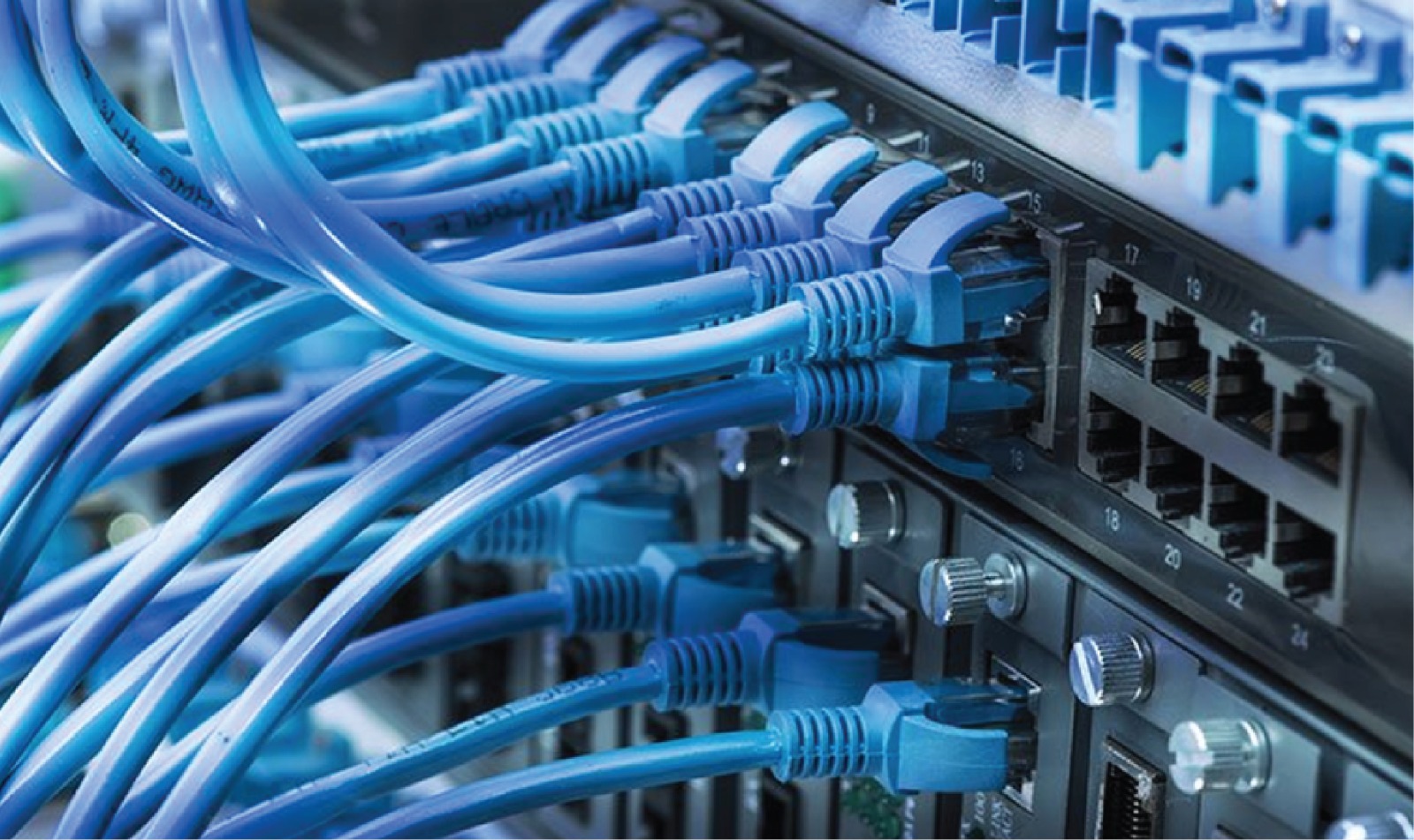
Overview
About this project.
Project Overview
The ICT Infrastructure & Network Deployment Project is a structured technology infrastructure solution designed to provide organizations with reliable, secure and scalable connectivity for their daily operations.
Modern organizations depend on networks to connect computers, servers, printers, communication systems, CCTV cameras, access control systems, cloud applications and other digital services.
This project brings these components together through a properly planned ICT infrastructure that supports communication, information sharing, system access, security and future expansion.
The solution can be deployed in government institutions, corporate offices, educational facilities, healthcare institutions, hotels, warehouses, commercial buildings and multi-building facilities.
Project Objectives
The project is designed to help organizations:
Establish reliable wired and wireless connectivity
Connect departments and operational units
Improve network performance
Provide secure internet access
Support servers and shared resources
Support IP CCTV and security systems
Improve communication and collaboration
Create a scalable network foundation
Reduce network-related downtime
Simplify maintenance and troubleshooting
Core Infrastructure
Structured Cabling
A structured cabling system provides the physical foundation of the organization's network.
The deployment can include:
Cat6/Cat6A network cabling
Patch panels
Network outlets
Patch cords
Cable trays
Network racks
Cable management
Labelling and documentation
Cables are routed and organized according to the building layout to make future troubleshooting, maintenance and expansion easier.
Network Switches
Network switches connect computers, printers, servers, IP cameras, access points and other network-enabled devices.
Switch selection is based on factors such as:
Number of connected devices
Port requirements
PoE requirements
Network speed
VLAN requirements
Future expansion
Management requirements
Managed switches can provide additional control over network configuration, segmentation and monitoring.
Router and Internet Connectivity
The network can include routers and appropriate internet connectivity infrastructure to provide controlled access to external services.
Depending on organizational requirements, the network may support:
Primary internet connection
Backup internet connection
VPN connectivity
Remote access
Traffic management
Firewall integration
Wireless Network
A reliable wireless network can provide secure connectivity for staff, visitors and authorized devices.
Wireless deployment considers:
Building layout
Coverage requirements
Number of users
Device density
Interference
Access point locations
Authentication
Network security
Separate wireless networks can be created for staff, guests and other authorized user groups where required.
Server & Storage Infrastructure
Organizations that operate internal applications or centralized systems may require server and storage infrastructure.
Depending on requirements, the project can support:
Application servers
File servers
Database servers
Backup servers
Network Attached Storage
Virtualized environments
Cloud-connected infrastructure
The appropriate architecture depends on the organization's applications, data requirements, security policies and operational needs.
Network Security
Security is incorporated into the network design rather than treated as an afterthought.
Security controls may include:
Firewalls
VLAN segmentation
Access control
User authentication
Secure Wi-Fi
Network monitoring
Restricted administrative access
VPN
Endpoint security integration
Configuration management
Logging and auditing
Network segmentation can help separate different types of traffic.
For example:
Corporate Network | Guest Wi-Fi | CCTV Network | Server Network | Management Network
The exact structure depends on the organization's requirements.
CCTV Network Integration
Modern IP CCTV systems depend on network infrastructure.
The ICT infrastructure can therefore be designed to support:
IP cameras
PoE switches
NVR systems
CCTV control rooms
Remote monitoring
Video management systems
This allows the CCTV system to become part of the organization's broader network architecture.
For large facilities, dedicated network segments can be used for surveillance traffic to help manage security and network performance.
Access Control Integration
Where required, the network can also support electronic access control systems.
These may include:
Biometric devices
RFID/card readers
Electronic door controllers
Visitor management systems
Access control servers
This creates a foundation for integrating physical security systems with the organization's ICT infrastructure.
Network Architecture
A typical deployment can follow:
Internet → Firewall/Router → Core Network → Distribution Switches → Access Switches → End Devices
Connected devices may include:
Computers | Servers | Printers | Wi-Fi Access Points | IP Cameras | Access Control | VoIP | IoT Devices
For multi-building environments, fibre optic or other suitable inter-building connectivity can be incorporated into the architecture.
Project Implementation Process
1. ICT Infrastructure Assessment
The project begins with an assessment of the organization's existing technology environment.
This can include:
Building layout
Existing cabling
Network equipment
Number of users
Number of devices
Internet connectivity
Server infrastructure
Wi-Fi coverage
Power availability
Security systems
Future expansion requirements
2. Network Design
The technical team develops a network architecture based on the assessment.
The design can define:
Network topology
Cable routes
Network rack locations
Switch locations
Access point locations
Server locations
IP addressing
VLAN structure
Security controls
Internet connectivity
Expansion capacity
3. Cabling Installation
Structured cabling is installed according to the approved design.
Cables are properly routed, terminated, labelled and organized.
Testing is carried out to verify cable performance.
4. Network Equipment Installation
Network equipment is installed and configured.
This may include:
Routers
Firewalls
Core switches
Access switches
PoE switches
Wireless access points
Network racks
Patch panels
5. Server & Storage Deployment
Where required, servers and storage systems are installed and configured.
Applications, databases and shared resources can then be connected to the network.
6. Network Configuration
The network is configured according to the approved architecture.
Configuration may include:
IP addressing
DHCP
DNS
VLANs
Routing
Firewall policies
Wireless networks
User authentication
Access permissions
Network monitoring
7. Testing
The completed infrastructure is tested to verify:
Network connectivity
Internet access
Cable performance
Wi-Fi coverage
Network speeds
VLAN separation
Firewall operation
Server connectivity
CCTV connectivity
Access control connectivity
Backup systems
8. Documentation and Handover
Technical documentation can be provided at project completion.
Documentation may include:
Network topology diagram
Cable schedule
Equipment inventory
IP addressing information
Network rack layout
Switch configuration
Wi-Fi configuration
Firewall configuration
Maintenance information
Authorized personnel can also receive operational training.
Power & Infrastructure Resilience
ICT equipment depends on reliable electricity.
Where power interruptions are a concern, the network infrastructure can be supported with appropriate backup systems such as:
UPS systems
Inverters
Battery storage
Solar power
Generator integration
Surge protection
Critical equipment such as network switches, servers, routers, firewalls and security systems can be prioritized for backup power.
This can help reduce disruption during power interruptions.
Multi-Building Network Infrastructure
Organizations operating across multiple buildings may require a centralized network architecture.
For example:
Building A → Fibre/Network Link → Core Network
Building B → Fibre/Network Link → Core Network
Building C → Fibre/Network Link → Core Network
This approach can provide centralized connectivity while allowing each building to maintain appropriate network segmentation.
It can be particularly useful for:
Universities
Hospitals
Government complexes
Industrial facilities
Corporate campuses
Hotels
Large residential estates
Network Monitoring
Network monitoring can provide visibility into infrastructure performance.
Depending on the deployment, monitoring can help identify:
Device failures
Network congestion
Connectivity problems
Interface errors
Unusual traffic
Access point issues
Equipment availability
Early identification of network problems can help reduce downtime.
ICT Infrastructure Maintenance
Infrastructure should be maintained after deployment.
Maintenance activities can include:
Network equipment inspection
Cable inspection
Rack organization
Switch configuration review
Firewall configuration review
Wi-Fi performance checks
Server health checks
Backup verification
Firmware updates
Security checks
Fault diagnosis
Equipment replacement
Preventive maintenance can help identify potential problems before they significantly affect operations.
Applications
The ICT infrastructure can support a wide range of organizational environments.
Government Institutions
Connectivity for ministries, departments, agencies and administrative facilities.
Educational Institutions
Networks connecting classrooms, laboratories, administrative offices, libraries, hostels and other facilities.
Healthcare Institutions
Connectivity for administrative systems, clinical applications, communication systems, CCTV and other technology infrastructure.
Corporate Organizations
Secure connectivity for offices, employees, servers, cloud applications and communication systems.
Commercial Facilities
Network infrastructure for hotels, warehouses, estates, shopping facilities and other commercial environments.
Industrial Facilities
Connectivity supporting offices, operational areas, security systems and monitoring infrastructure.
Project Deliverables
Depending on project scope, deliverables can include:
ICT infrastructure assessment
Network architecture design
Structured cabling
Network racks
Patch panels
Network switches
Routers
Firewalls
Wireless access points
Server infrastructure
Storage systems
Network security configuration
CCTV network integration
Access control integration
Backup power integration
Network testing
Documentation
User training
Maintenance and support
Scalability and Future Expansion
A major consideration in the design is future growth.
The network can be planned with additional capacity for:
More users
More computers
Additional CCTV cameras
Additional access points
New departments
New buildings
Additional servers
Increased internet bandwidth
Cloud services
New digital applications
Planning for expansion from the beginning can reduce the need for major infrastructure redesign later.
YasYum Ltd Project Capability
YasYum Ltd provides ICT Infrastructure & Networking as one of its core solution areas.
Our capability covers the complete infrastructure lifecycle:
Assess → Design → Supply → Install → Configure → Integrate → Test → Document → Maintain
We can also integrate ICT infrastructure with our other solution areas, including:
CCTV & Electronic Security
Solar & Renewable Energy
Digital & Software Solutions
Technical Maintenance & Support
This integrated approach allows an organization to address connectivity, security, power and technology requirements within a coordinated infrastructure plan.
Project Outcome
A properly implemented ICT infrastructure provides an organization with a reliable foundation for its digital operations.
The completed deployment can provide:
Reliable connectivity
Organized network infrastructure
Secure access
Improved communication
Support for digital applications
CCTV and security integration
Better infrastructure visibility
Easier maintenance
Capacity for future expansion
Rather than treating networking, security and power as completely separate requirements, YasYum can design them as interconnected components of the organization's technology environment.
YasYum Ltd
Integrated Technology, Security & Renewable Energy Solutions
YasYum Ltd helps organizations plan, deploy and maintain technology infrastructure designed around their operational requirements.
Suite 38, Dumec Plaza, Area 1, Section 1, Abuja, FCT, Nigeria
Phone: 08036202908, 08028720549
Email: info@yasyum.com
Website: yasyum.com
Technologies & Solutions
What was used.
Technologies, systems and platforms deployed in this project.
Related Projects
More from YasYum.
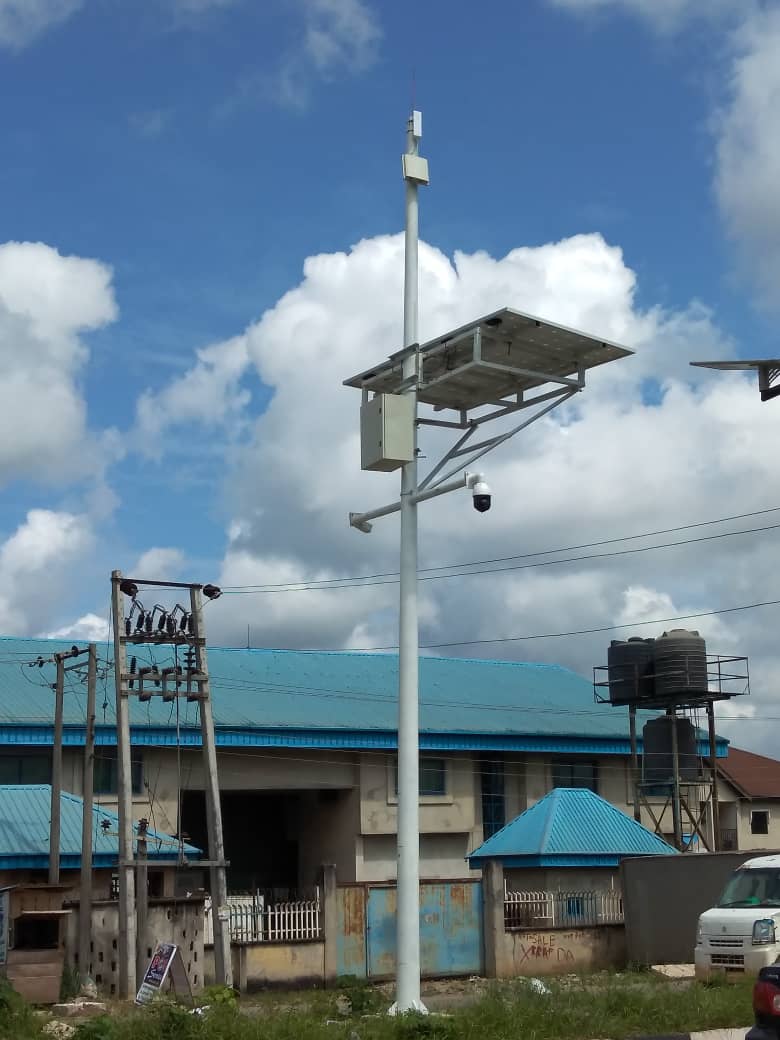 CCTV & Security
Concept
Case Study: IP CCTV Surveillance & Monitoring System
IP CCTV Surveillance & Electronic Security Infrastructure
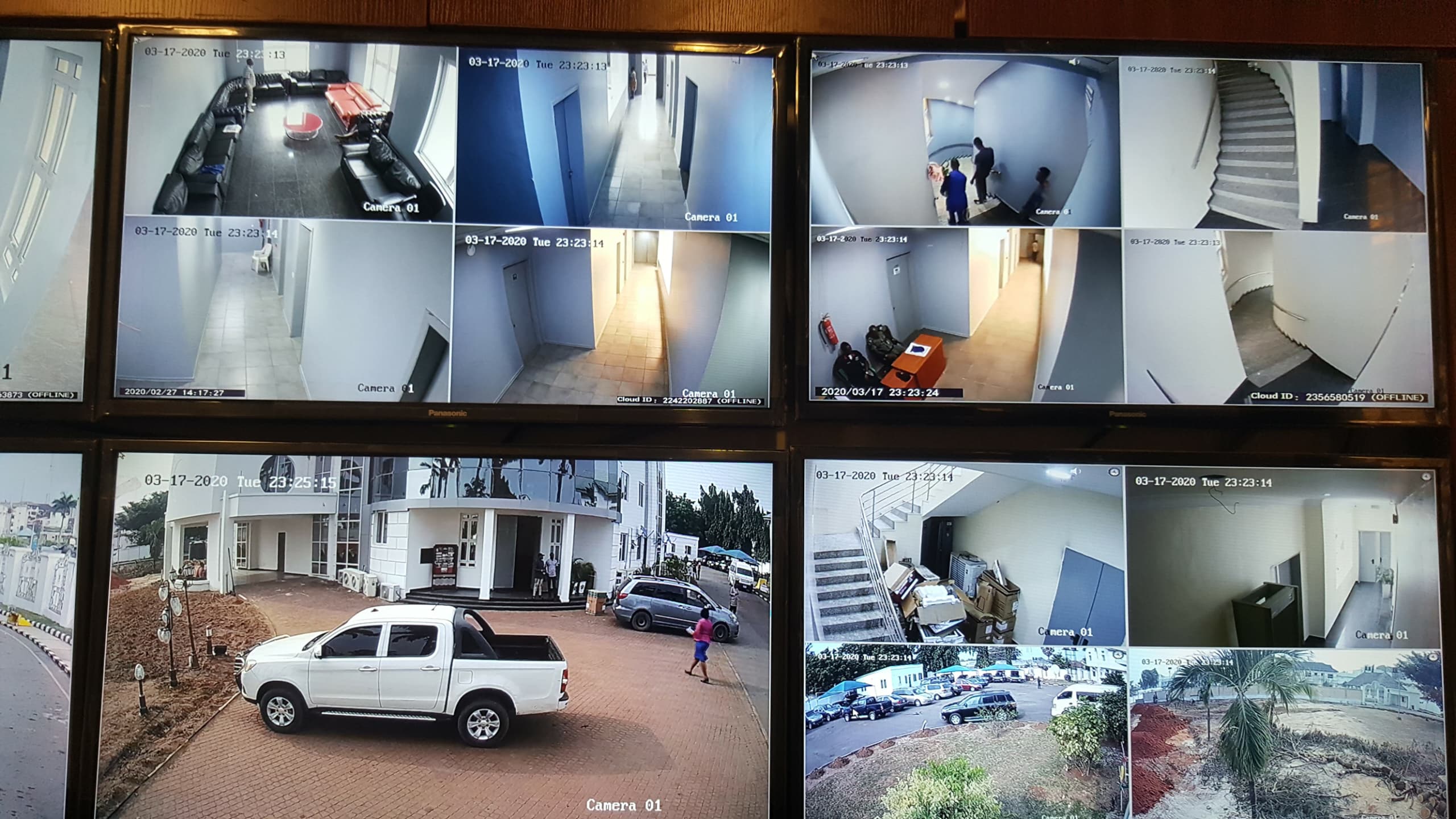 CCTV & Security
CCTV & Electronic Security Infrastructure
CCTV & Electronic Security Infrastructure
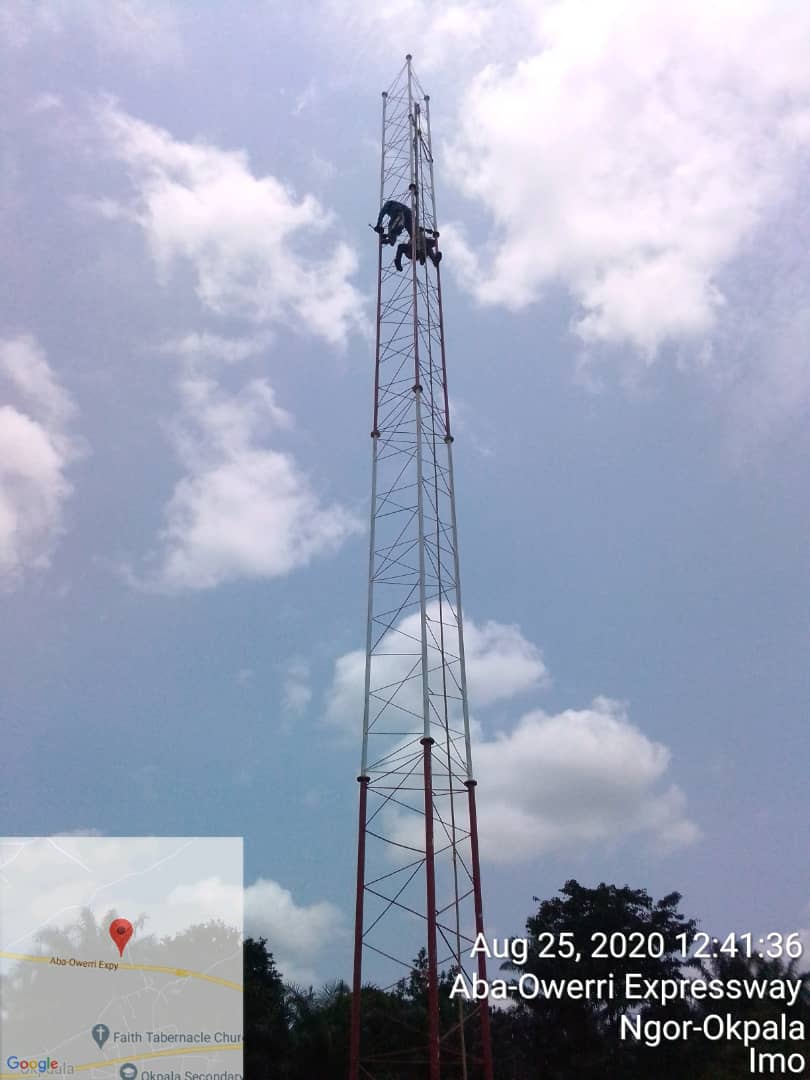 Integrated Solutions
Integrated Technology, Security & Renewable Energy Infrastructure
Integrated Technology, Security & Renewable Energy Infrastructure
Have a Technology or Infrastructure Project?
Tell us what you need. Our team can assess the requirement, develop a practical solution and provide a clear implementation plan.